
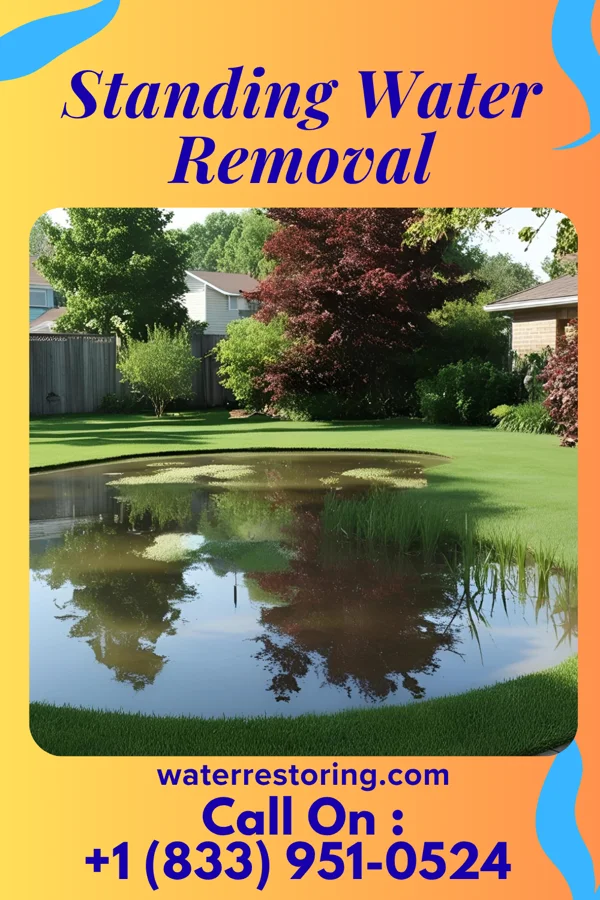
Common Standing Water Causes in Billings
Most standing water removal calls in Billings come from In Billings, Montana, the primary water damage cause is often due to burst pipes, especially in older residential areas like Lockwood and Acton, where aging infrastructure can lead to unexpected leaks. Additionally, heavy rainfall during spring and summer can overwhelm drainage systems, causing water to pool around properties in neighborhoods such as Laurel.. A close second is Secondary causes include faulty appliances like washing machines and dishwashers, which are common in urban settings like downtown Billings. Flooding from nearby rivers or snowmelt can also contribute to water damage, particularly in lower-lying areas near the Yellowstone River.. If you know what is about to happen, the decisions during the first 48 hours get a lot easier.
Billings experiences a semi-arid climate with hot summers and cold winters, leading to frequent freeze-thaw cycles that can damage pipes and foundations. The region's dry summers can also increase the risk of wildfires, which may result in water damage from firefighting efforts.
Most standing water removal calls in Billings come from In Billings, Montana, the primary water damage cause is often due to burst pipes, especially in older residential areas like Lockwood and Acton, where aging infrastructure can lead to unexpected leaks. Additionally, heavy rainfall during spring and summer can overwhelm drainage systems, causing water to pool around properties in neighborhoods such as Laurel.. Running a close second is Secondary causes include faulty appliances like washing machines and dishwashers, which are common in urban settings like downtown Billings. Flooding from nearby rivers or snowmelt can also contribute to water damage, particularly in lower-lying areas near the Yellowstone River.. Local mold risk: Mold can develop quickly in Billings' humid summer months, especially in poorly ventilated homes in neighborhoods like Lockwood and Acton. Prompt water damage restoration is critical to prevent mold growth, which can pose health risks and reduce property value.